
Fleas and ticks are more than just nuisances for pets in Champaign; they pose serious health risks that can affect your furry companions. Understanding why these pests are a problem is key to ensuring your pets remain healthy and happy. This article will explore the reasons fleas and ticks are prevalent in the area, their impact on pet health, and how you can effectively manage and prevent infestations.
Understanding Fleas and Ticks
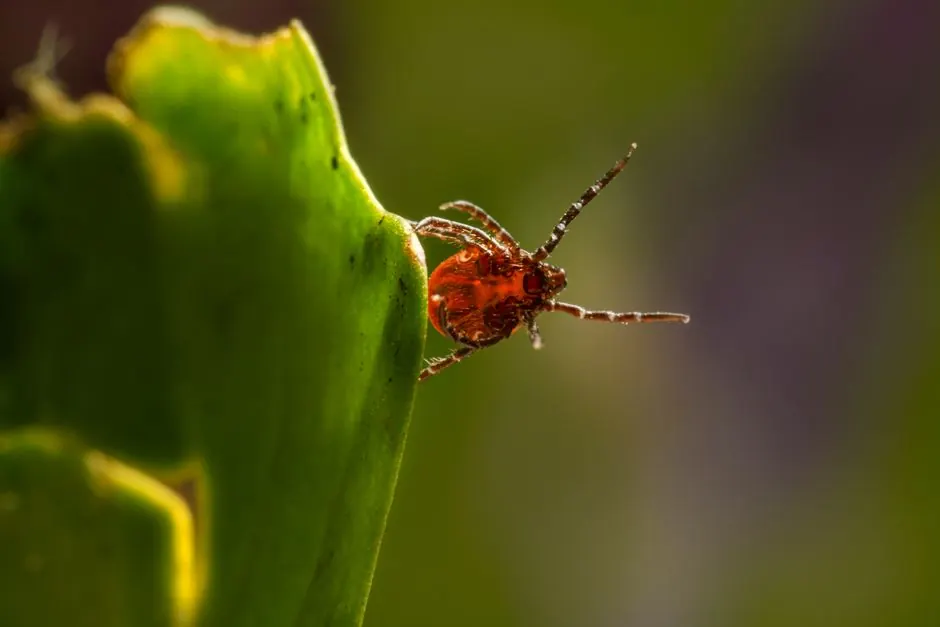
Fleas and ticks are external parasites that thrive in warm, humid environments. In Champaign, the summer months provide ideal conditions for these pests to reproduce rapidly. Fleas are small, wingless insects that feed on the blood of mammals and birds. Ticks, on the other hand, are arachnids that latch onto their hosts to consume blood, often transmitting diseases in the process.
Both fleas and ticks can be found in grassy areas, wooded regions, and even in your backyard. With pets frequently exploring these environments, they are at a high risk of encountering these pests. Moreover, the migration of wildlife, such as deer and raccoons, into suburban areas also contributes to the increased prevalence of ticks.
Health Risks for Pets
Fleas and ticks can lead to several health issues for pets, ranging from mild irritation to severe diseases. Fleas are known to cause:
- Flea Allergy Dermatitis: An allergic reaction to flea saliva, resulting in intense itching and skin infections.
- Tapeworms: Fleas can carry tapeworm eggs, which can infect pets when they ingest fleas during grooming.
- Blood Loss: Heavy infestations can lead to anemia, particularly in young or weakened pets.
Ticks pose additional threats, including:
- Lyme Disease: A serious illness caused by bacteria transmitted through tick bites, leading to joint pain and fever.
- Rocky Mountain Spotted Fever: Another tick-borne disease that can be life-threatening if not treated promptly.
- Anaplasmosis: A bacterial infection that can cause fever, lethargy, and joint pain in pets.
Given these risks, it's crucial to monitor your pets for signs of fleas and ticks regularly.
Signs of Infestation
Recognizing the signs of fleas and ticks early can help you take immediate action. Common indicators include:
- Excessive Scratching: If your pet is scratching more than usual, it may indicate fleas or ticks.
- Hair Loss: Flea bites can lead to hair loss and skin irritation.
- Flea Dirt: Small black specks in your pet's fur are flea droppings, indicating an infestation.
- Visible Ticks: Ticks can often be seen on your pet's skin, especially around the ears and between toes.
If you notice any of these signs, it's important to act quickly to prevent further complications. Regular grooming and inspections can help keep your pets flea- and tick-free.
Preventive Measures
Preventing fleas and ticks is more effective than treating an infestation. Here are several strategies to keep your pets safe:
- Use Preventive Treatments: Consult your veterinarian for appropriate flea and tick prevention products, such as topical treatments, collars, or oral medications.
- Maintain a Clean Environment: Regularly vacuum your home and wash your pet's bedding to eliminate flea eggs and larvae.
- Manage Your Yard: Keep your lawn trimmed and remove debris where pests can hide.
- Regular Vet Check-ups: Routine veterinary visits can help detect and prevent potential infestations.
By taking these proactive steps, you can significantly reduce the risk of flea and tick infestations in your pets.
When to Call a Professional
If your pet shows signs of a flea or tick infestation, or if you're unable to manage the problem effectively, it may be time to seek professional help. Illinois Pest pros specializes in Flea and Tick Control in Illinois, offering expert solutions to protect your pets and home from these pests. Our trained technicians can assess your situation and provide tailored treatments to eliminate infestations and prevent future occurrences.
Frequently Asked Questions
How do I know if my pet has fleas? Look for signs such as excessive scratching, hair loss, or flea dirt in their fur. Regular grooming can help you spot these issues early.
Can fleas and ticks affect humans? Yes, both fleas and ticks can bite humans, potentially leading to irritation or the transmission of diseases. It's essential to manage these pests to protect everyone in your household.
What are the best preventive treatments for fleas and ticks? Consult your veterinarian for the best preventive options, which may include topical treatments, collars, and oral medications tailored to your pet's needs.
How often should I treat my pet for fleas and ticks? Treatment frequency depends on the product used. Some may require monthly applications, while others can provide longer-lasting protection. Always follow your veterinarian's recommendations.
What should I do if I find a tick on my pet? Remove it immediately using tweezers, grasping it as close to the skin as possible. Clean the area and monitor your pet for any signs of illness.