Illinois pest control seasons significantly impact pest management strategies throughout the year. The six weeks from late March to early May are particularly critical for homeowners looking to prevent infestations. This article will explore the seasonal pest problems in Illinois, detailing when to call pest control and how to prepare for pests effectively.
Understanding Illinois pest control seasons is essential for effective pest management. These seasons dictate when various pests become active, allowing homeowners to take proactive measures.
Understanding Illinois Pest Control Seasons
Illinois experiences a distinct set of seasons that affect pest activity. Spring brings warmth and moisture, prompting many pests to emerge from hibernation. Summer intensifies pest activity, while fall serves as a period for preparation before winter. Each season brings unique challenges and opportunities for pest control.
The Importance of Early Spring
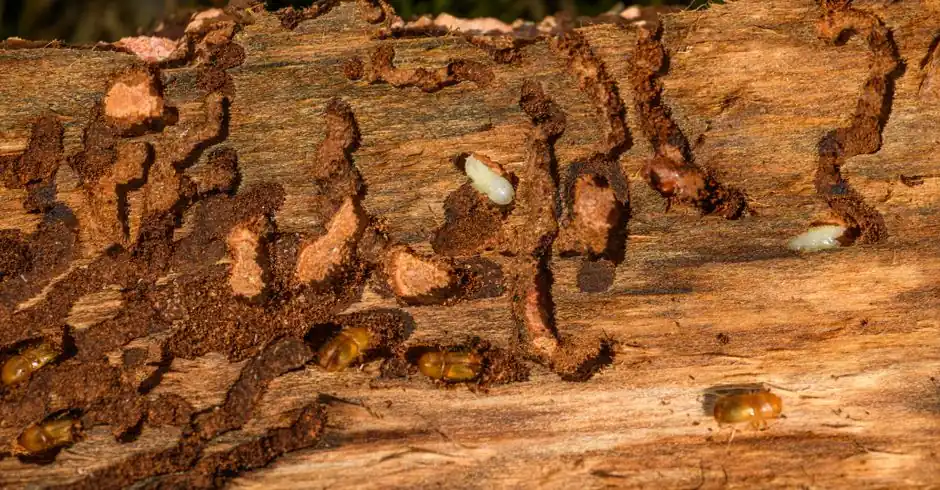
Late March to early April marks the beginning of pest activity in Illinois. During this period, pests such as ants, termites, and mosquitoes begin to emerge. Early intervention is critical during these weeks to prevent infestations. Homeowners should schedule inspections and treatments around this time.
For instance, Termite Control in Illinois is vital during early spring as termites begin to swarm. Catching these pests early can save homeowners significant repair costs down the line.
Mid-Spring Pest Activity Peaks
From mid-April to late May, pest activity peaks in Illinois. This is when homeowners often notice increased ant activity, especially in urban areas like Pest Control in Chicago. Ant colonies are fully active, and homeowners may see them foraging for food.
Additionally, this period is crucial for controlling mosquitoes. Female mosquitoes lay eggs in standing water, making it essential to eliminate any sources around your property. Effective pest control timing in Illinois during this season can significantly reduce mosquito populations.
Summer Challenges in Pest Control
June through August presents its own set of challenges. The warm weather creates an ideal environment for pests like cockroaches, bed bugs, and fleas. Homeowners should remain vigilant during these months.
During summer, many families spend time outdoors, increasing the likelihood of mosquito bites. Implementing Mosquito Control in Illinois services can help mitigate this risk. Regular treatments and preventive measures are essential during the hot months.
Fall Preparation for Winter
As summer fades into fall, pests begin to seek shelter from the impending cold. September through November is the time to prepare your home for winter. Rodents, in particular, start looking for warm places to nest.
Scheduling Rodent Control in Illinois is crucial during this time. Rodents can cause significant damage to insulation and wiring if they infiltrate your home. Homeowners should seal entry points and ensure that food sources are stored securely.
Common Mistakes in Pest Management
Many homeowners make mistakes that can lead to pest problems. One common error is waiting too long to address pest issues. Another mistake is neglecting preventive measures during the off-season. Regular inspections and treatments can help keep pests at bay.
- Ignoring signs of pest activity until it's too late.
- Failing to maintain a clean environment.
- Not sealing cracks and gaps around the home.
When to Call a Professional
Knowing when to call pest control in Illinois is vital for effective pest management. If you notice signs of infestation, such as droppings, nests, or unusual activity, it's time to contact a professional. Illinois Pest pros can assess the situation and recommend appropriate treatments.
Frequently Asked Questions
When is pest season in Illinois? Pest season in Illinois typically begins in late March and lasts through October, with peak activity in the spring and summer.
What pests are active in Illinois during spring? Common spring pests include ants, termites, and mosquitoes, all of which begin to emerge as temperatures rise.
How to prevent pest problems in Illinois year-round? Year-round prevention involves regular inspections, sealing entry points, and maintaining a clean environment to deter pests.
What is the best time for pest control in Illinois? The best times for pest control in Illinois are early spring and mid-summer when pest activity peaks.
How can I prepare for pests in Illinois? Preparing for pests involves maintaining a clean home, sealing gaps, and scheduling regular pest control services.