
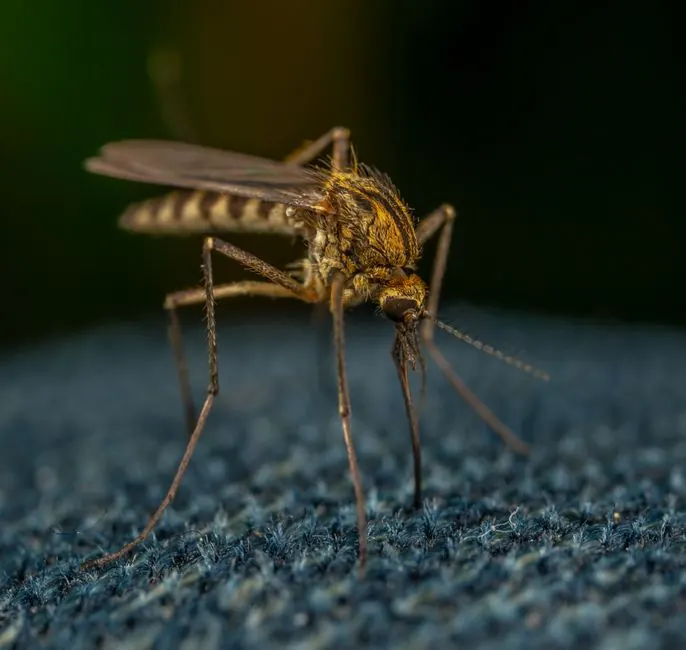
Springfield's warm weather brings not only sunshine but also the unwelcome presence of mosquitoes. These pests can turn a pleasant evening outdoors into an itchy nightmare. Fortunately, there are several effective mosquito control options available for your backyard.
This article will explore various methods, including natural and chemical solutions, preventive measures, and when to seek professional help from mosquito control in Illinois. By understanding your options, you can enjoy your outdoor space without the annoyance of mosquitoes.
Understanding Mosquitoes
Mosquitoes thrive in warm, humid environments, making Springfield an ideal habitat for them. Understanding their behavior is crucial for effective control. Female mosquitoes require blood to lay eggs, which is why they bite humans and animals. They are most active during dawn and dusk, so these are the times you'll likely notice them the most.
Moreover, mosquitoes breed in stagnant water. This means that any standing water in your yard, such as bird baths, clogged gutters, or even puddles, can serve as breeding grounds. Identifying and eliminating these sources can significantly reduce the mosquito population around your home.
Natural Mosquito Control Methods
If you prefer eco-friendly solutions, there are several natural methods to control mosquitoes:
- Essential Oils: Oils like citronella, eucalyptus, and lavender can repel mosquitoes. You can use these oils in diffusers or make your own spray by diluting them with water.
- Plants: Certain plants, such as marigolds, basil, and catnip, naturally repel mosquitoes. Planting these around your yard can help keep them at bay.
- Homemade Traps: You can create simple traps using sugar water and yeast to attract and capture mosquitoes. Place these traps in areas where mosquitoes are prevalent.
These methods are not only effective but also safe for your family and pets. However, their effectiveness can vary, and they may require regular reapplication or maintenance.
Chemical Mosquito Control Options
For more immediate and potent results, chemical solutions may be necessary. Here are some common chemical options:
- Insect Repellents: Products containing DEET, picaridin, or oil of lemon eucalyptus are effective for personal protection. Apply these on exposed skin when spending time outdoors.
- Larvicides: These are designed to target mosquito larvae in standing water. Products containing methoprene or Bacillus thuringiensis israelensis (BTI) can be used in bird baths or ponds.
- Adulticides: These sprays kill adult mosquitoes and can be applied to your yard. They are typically used during peak mosquito activity times.
While chemical solutions can be highly effective, it's essential to follow the manufacturer's instructions to ensure safety. Additionally, consider the potential impact on beneficial insects and the environment.
Preventive Measures for Your Backyard
Preventing mosquitoes from breeding in your yard is crucial for long-term control. Here are some effective preventive measures:
- Eliminate Standing Water: Regularly check your yard for any standing water and eliminate it. This includes emptying containers, cleaning gutters, and ensuring proper drainage.
- Maintain Your Yard: Keep your grass trimmed and remove debris where mosquitoes can hide. Regular landscaping can reduce their resting areas.
- Install Screens: Use screens on windows and doors to keep mosquitoes out of your home. Repair any holes or tears promptly.
These steps can significantly reduce the mosquito population and make your backyard more enjoyable.
Common Mistakes to Avoid
When it comes to mosquito control, many homeowners make common mistakes that can undermine their efforts:
- Ignoring Breeding Sites: Failing to eliminate standing water is a primary reason for ongoing mosquito problems. Regular inspections are essential.
- Overusing Chemicals: Excessive use of chemical sprays can harm beneficial insects and the environment. Always use chemicals as directed.
- Neglecting Personal Protection: Even with yard treatments, it's vital to use personal repellents when outdoors, especially during peak mosquito hours.
Avoiding these mistakes can enhance your mosquito control efforts and create a more comfortable outdoor environment.
When to Call a Professional
If your mosquito problem persists despite your efforts, it may be time to seek professional help. Experts from Illinois Pest Control can assess your situation and provide targeted treatments that are safe and effective. They can also offer advice on long-term prevention strategies tailored to your backyard.
Frequently Asked Questions
How long does mosquito control last?
The duration of mosquito control depends on the method used. Chemical treatments can last several weeks, while natural methods may require more frequent applications.
Are natural mosquito repellents effective?
Yes, natural repellents can be effective, but they may not provide the same level of protection as chemical options. Regular application is often necessary.
What time of day are mosquitoes most active?
Mosquitoes are typically most active during dawn and dusk. Planning outdoor activities during these times can help minimize bites.
Can I prevent mosquitoes from entering my home?
Yes, installing screens on windows and doors, sealing gaps, and using air conditioning can help keep mosquitoes out of your home.
How can I attract more natural predators?
Attracting birds, bats, and dragonflies can help control mosquito populations naturally. Planting native flora can encourage these beneficial predators.
Get help with Pest Control in Springfield
For effective mosquito control in your backyard, consider reaching out to professionals. Illinois Pest pros is here to help you reclaim your outdoor space. Call us today at +18663130476 for a consultation.