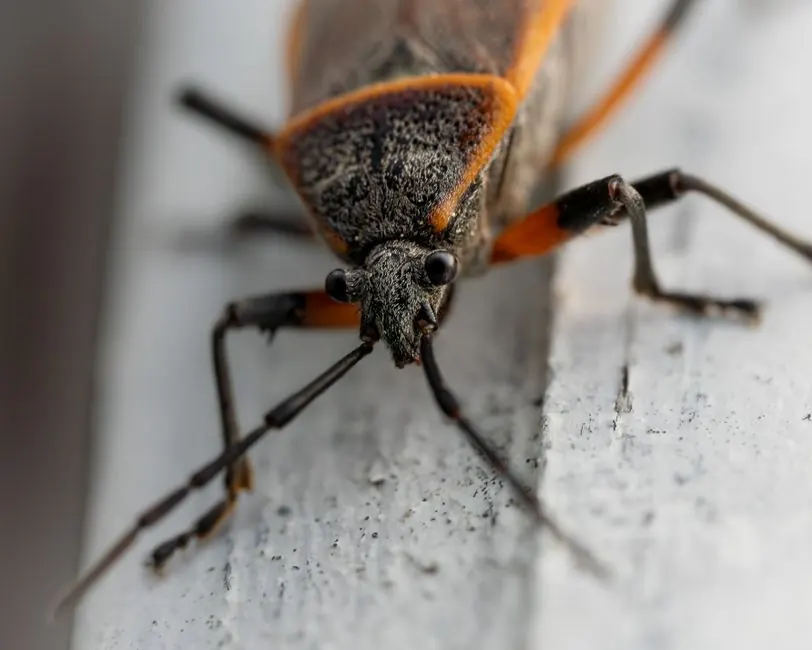
Boxelder bugs are common pests that many Illinois homeowners encounter, especially during the fall months. These insects are primarily known for their distinctive black bodies with orange markings and can become a nuisance when they invade homes in search of warmth.
This article will explore the characteristics of boxelder bugs, their behavior, prevention strategies, and effective control methods for homeowners in Illinois.
What Are Boxelder Bugs?
Boxelder bugs are a type of true bug belonging to the family Hemiptera. They are typically 1/2 inch long, with a flat, oval shape and a striking black and orange coloration. These insects feed on the seeds and leaves of boxelder trees, as well as other maples and ash trees.
Why Are Boxelder Bugs in Your Home?
Boxelder bugs commonly enter homes during the fall as they seek shelter from the cold. They are attracted to warm, sunny areas, which often leads them to congregate on south-facing walls. Once inside, they can be found in attics, basements, and other hidden areas.
Signs of a Boxelder Bug Infestation
Identifying a boxelder bug infestation can be straightforward. Look for:
- Visible clusters of boxelder bugs on exterior walls.
- Presence of dead bugs inside your home.
- Fecal stains or yellowish spots on surfaces.
- Unusual activity during warm days in winter.
If you notice these signs, it may indicate a larger problem that requires attention.
How to Prevent Boxelder Bugs
Preventing boxelder bugs from entering your home is crucial for managing these pests. Here are effective strategies:
- Seal cracks and gaps around windows, doors, and foundations.
- Install screens on windows and vents.
- Remove any boxelder trees or other host plants near your home.
- Keep outdoor areas tidy by removing debris and leaf litter.
Taking these steps can significantly reduce the likelihood of an infestation.
Boxelder Bug Control Methods
When prevention isn't enough, control methods become necessary. Homeowners can consider:
1. **Vacuuming**: For small infestations, using a vacuum can quickly remove boxelder bugs. Just be sure to dispose of the vacuum bag immediately to prevent them from escaping.
2. **Insecticidal Sprays**: Applying insecticidal sprays specifically designed for boxelder bugs can help manage larger populations. Always follow the manufacturer's instructions for safe application.
3. **Professional Pest Control**: If the infestation is severe, it may be time to call in the experts. Professional pest control services can provide targeted treatments and long-term management solutions.
Common Mistakes in Boxelder Bug Control
Homeowners often make several mistakes when dealing with boxelder bugs:
- Ignoring early signs of infestation.
- Using ineffective home remedies.
- Failing to seal entry points before treatment.
Understanding these pitfalls can help you approach boxelder bug control more effectively.
When to Call a Professional
If boxelder bugs become overwhelming, or if you're unsure how to manage an infestation, contacting a professional is recommended. Illinois Pest pros can assess the situation and provide tailored solutions to ensure your home remains pest-free.
Frequently Asked Questions
1. How do I know if I have a boxelder bug infestation? Look for clusters of bugs on exterior walls, dead bugs inside, or fecal stains.
2. Can boxelder bugs damage my home? Boxelder bugs do not cause structural damage but can be a nuisance and may stain surfaces.
3. What time of year are boxelder bugs most active? They are most active in the fall when seeking warmth and shelter.
4. Are boxelder bugs harmful to pets? Boxelder bugs are not toxic to pets but can cause gastrointestinal upset if ingested.
5. How can I prevent boxelder bugs from entering my home? Seal cracks, remove host plants, and maintain a clean outdoor environment.